

Where should I start if I'm moving to Dallas?
Start with the address of your job, not with listings. Dallas-Fort Worth is a large, spread-out region, and the same budget buys very different things in Uptown, Lake Highlands, Plano or Southlake. Your daily drive is the one thing you cannot fix after you buy.
If you have never lived here, choose an area by testing it against a short list of facts instead of by reputation:
- Commute: drive or map the route at the hour you would really leave, on a weekday.
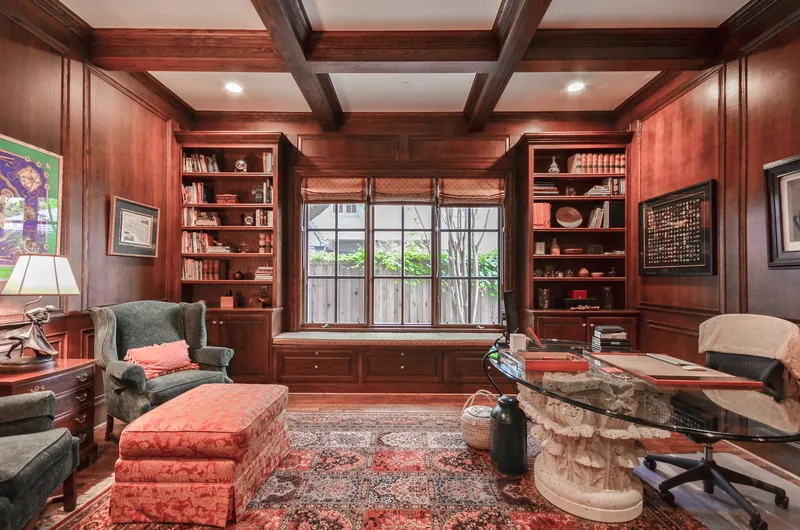
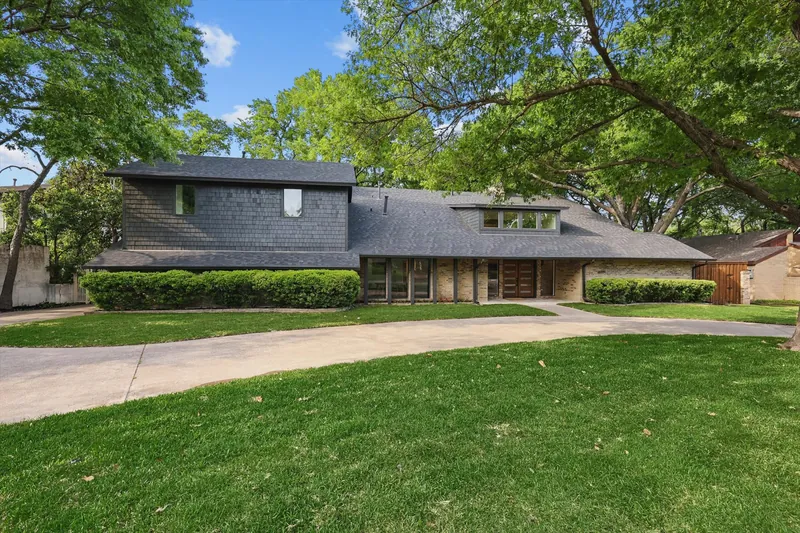
- Housing stock: older pier-and-beam bungalows and Tudors in Lakewood or Kessler Park, mid-century ranch homes in North Dallas and Lake Highlands, newer construction in the northern suburbs, towers and townhomes in Uptown.
- Lot and layout: yard size, one story or two, garage access from an alley or the street.
- School district: look up the exact address in the district's own boundary tool. Neighboring streets can belong to different districts.
- Taxes: the combined rate depends on the city, county, school district and any special district, and changes every year.
The neighborhood pages describe streets, housing and getting around for the areas I work in most, including North Dallas and Lake Highlands.
How bad is Dallas traffic, and should I live close to work?
Traffic depends almost entirely on which highway you use and when. Rush hours can be slow on Central Expressway, US 75, on LBJ Freeway, I-635, and on I-35E, I-30 and the Dallas North Tollway, while a reverse commute on the same road may move freely. Living closer to work, or near the road that leads straight to it, usually matters more than distance in miles.
Many people trade a longer drive for a bigger lot or a newer house, and that can be the right call. Just make the trade on purpose: drive the route at rush hour before you make an offer, check whether the fastest path is a toll road, since the North Texas Tollway Authority bills by tag, and see whether a DART light rail station or Love Field and DFW Airport sit on your side of town if you travel for work.
When you are in town, drive from each shortlisted area to your office once in the morning and once in the evening. It takes an afternoon and settles more than any map.
If you want a short drive to downtown or Uptown, the close-in areas such as Uptown, Oak Lawn and the Park Cities sit nearest. Jobs in Plano, Frisco or Richardson point north instead.
Property taxes and the homestead exemption
Texas has no state income tax on wages, so local schools, cities and counties rely heavily on property taxes. Many newcomers find the property tax bill higher than they expected and the paycheck larger. The fair comparison is your total: property tax plus state income tax where you live now, against property tax here.
A Texas property tax bill is the appraised value, minus any exemptions, times the combined rate of each taxing unit. You can look up a home's appraised value and exemptions at the Dallas Central Appraisal District, DCAD, at dallascad.org, and its taxes at the county tax office. Collin, Denton and Tarrant counties have their own appraisal districts.
What a homestead exemption is
A residence homestead exemption removes part of your home's value from taxation once it is your principal residence. For school district taxes, the general exemption is now $140,000, raised by Texas voters in November 2025 and applied from the 2025 tax year. Homeowners 65 or older, or disabled, get an additional $60,000 off school taxes and a school tax ceiling. Cities, counties and other units may add their own optional exemptions. A homestead also gets a cap on how much its taxable value can rise each year.
When you can apply after moving
You do not have to wait until January 1 of the next year. Once you own the home and live in it as your principal residence, you can apply with the appraisal district, and the exemption can cover the part of that year you qualified, as long as the prior owner did not already receive it. The usual deadline is April 30 of the tax year, and DCAD lets you apply online, free. You will need a Texas driver's license or ID showing the new address.
This is general information. Confirm your own situation with the appraisal district or a CPA. For how taxes fit into the full cost of buying, see costs and financing.
How Andy and the GPS Group work with relocating buyers
I was born in Dallas and grew up in a real estate family. My dad built custom homes and ranches, and from the 1970s through the 1990s he specialized in Preston Hollow and the Park Cities. So I know the streets, the housing stock and how the city has changed. The GPS Group covers the suburbs too: my sold listings run from University Park and North Oak Cliff to Plano, Frisco, McKinney, Southlake and Fort Worth.
For a lender, you can use your own or Dave Perry-Miller's OnePoint, which connects the agent, mortgage, insurance and title in one process. For inspectors, foundation engineers, insurance agents and movers, I give you names of people past clients have used and you choose. You hire and pay them directly, and you can always bring your own.
When you are ready, start with a short call. See also how I help with buying a home.
Your options for timing the move
- Rent first, then buy. Suits you when you do not know the city yet or the job is new. You pay for two moves, but you choose an area after living here.
- Buy before you arrive. Works when the job and commute are settled. Lenders usually accept a signed offer letter for a new job, but each lender has its own rules on start dates, so ask before you shop.
- Sell first, then buy. The equity is in hand and you know your budget, but you may need a short rental or a leaseback.
- Buy first, then sell. Easier move, but you carry two homes for a while unless you plan the money ahead.
Start looking seriously two to four months before the move date for most buyers, and talk to a lender first. Earlier is fine for learning areas, but listings you see months out will be gone by the time you can buy.
If you own a home now, find out what it would sell for before you set a budget here. A pricing review works for Dallas-area homes, and for a home elsewhere ask a local agent there. The sell and buy page explains how to time two closings.