

How Dallas neighborhoods differ: cities, districts and counties
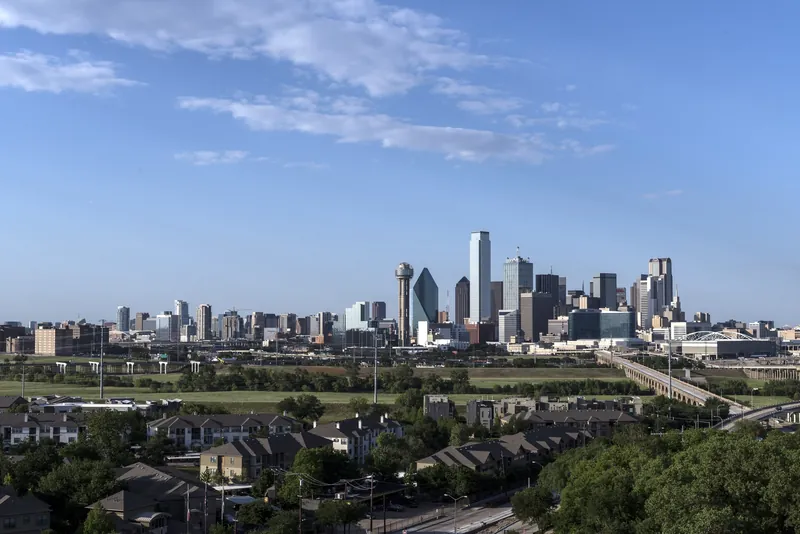
Start with the government, not the name of the neighborhood. Highland Park and University Park are two separate towns, each with its own city hall, police and building rules, surrounded by the City of Dallas. See the Highland Park and University Park pages. Preston Hollow, Lakewood, Kessler Park, Uptown, Lake Highlands and Oak Lawn are neighborhoods inside the City of Dallas, with no official boundaries of their own.
The school district is a separate layer again. Many Highland Park and University Park homes carry a "Dallas, TX" mailing address, and much of Lake Highlands is in the City of Dallas but in Richardson ISD. Parts of Far North Dallas are in Richardson ISD, Plano ISD or Carrollton-Farmers Branch ISD. So a Dallas address does not by itself mean Dallas ISD schools.
The same goes for property taxes. Your bill is the sum of every taxing unit on the property: the city or town, the school district, the county and a few others. Highland Park and University Park each set their own city rate, so two similar houses a few blocks apart can carry different bills. Far North Dallas homes in Collin County are appraised by the Collin Central Appraisal District, and those in Denton County by the Denton Central Appraisal District, rather than DCAD.
Before you fall for a house, enter its exact address in the school district's own boundary lookup and look up the account on the Dallas Central Appraisal District site, dallascad.org, which lists every taxing unit for that property. I do both for every home a client considers.
Lots, yards and the age of the houses
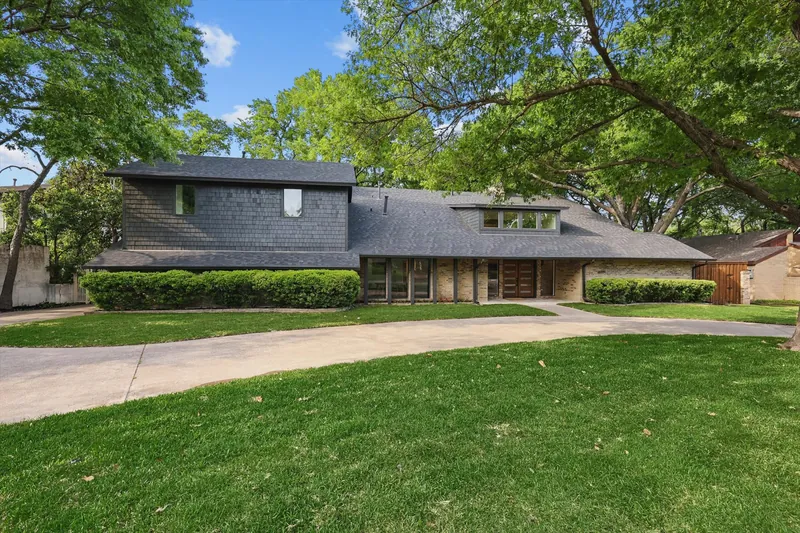
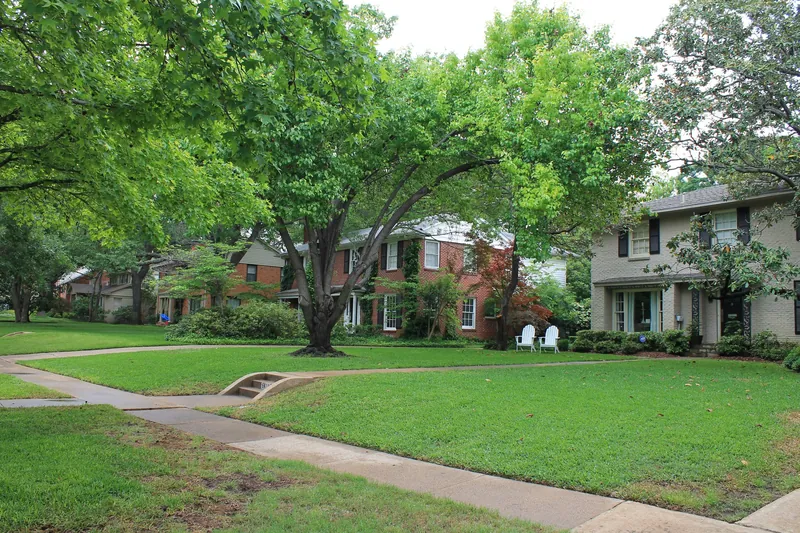
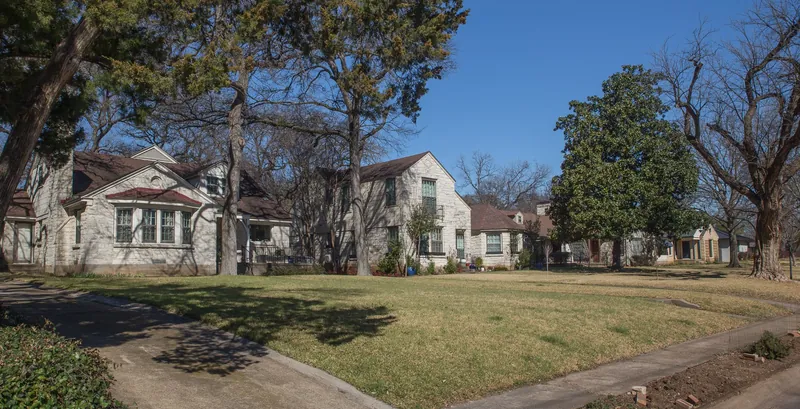
Bigger lots inside Dallas are mostly in older areas planned when land was cheap. Preston Hollow has some of the largest residential lots in the city, especially around Strait Lane and Walnut Hill Lane. Bluffview was first laid out in one-acre lots along Bachman Creek. Parts of Lake Highlands and North Dallas also have generous yards on quieter streets.
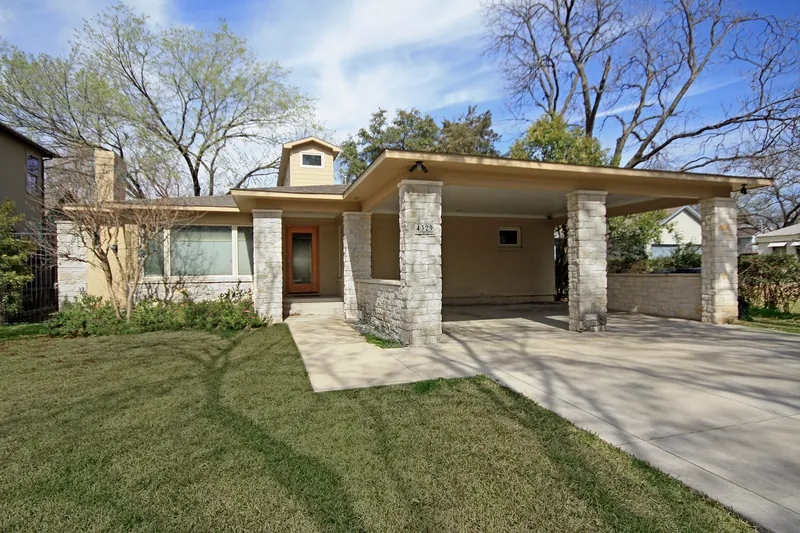
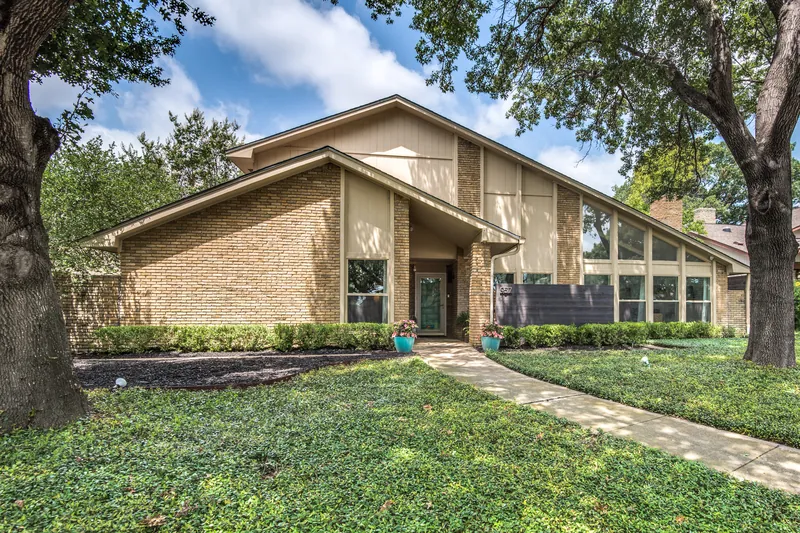
- Single-story homes: common in Preston Hollow, Lake Highlands and North Dallas, where many original houses were built as ranch homes in the 1950s through the 1970s.
- Newer construction: found in nearly every close-in neighborhood, where older houses have been replaced one lot at a time. Lakewood, the Park Cities and Preston Hollow all have it, mixed with original homes.
- Acreage: if you want land rather than a big city lot, the GPS Group also sells acreage outside Dallas, in places such as Kaufman, Sherman, Weston and Farmersville.
To check a lot's real size, look at the DCAD record and ask for the survey. Lot lines, easements and the floodplain matter more than the listing's photos.
If you want an older home, Lakewood and Kessler Park both have houses from the 1920s through the 1940s, and the Park Cities have some from even earlier. Older houses on Dallas clay soil need a careful look at the foundation, plumbing and electrical. Several neighborhoods, including Kessler Park and Greenway Parks, are City of Dallas conservation districts, where exterior changes and new construction follow written rules.
If you would rather not keep up a yard at all, Uptown, Turtle Creek and Oak Lawn are mostly condos and townhomes. There, the association's budget, reserves and rules matter as much as the unit.
Getting around: downtown, the Tollway and Love Field
The Dallas North Tollway runs north from downtown, along the edge of Uptown, past Highland Park and University Park, through Preston Hollow and North Dallas, and on through Addison, Plano and Frisco. Homes within a few blocks of an entrance in Uptown, the Park Cities, Greenway Parks, Bluffview, Preston Hollow and North Dallas reach it easily.
Dallas Love Field sits in the City of Dallas northwest of downtown, along Mockingbird Lane and Lemmon Avenue. The closest residential areas are Bluffview, Greenway Parks, Oak Lawn and the Park Cities.
For Lakewood and other East Dallas areas, Gaston Avenue, Swiss Avenue and Live Oak Street lead into downtown. I do not quote commute minutes: the time depends on the hour, the exact street and where downtown you park. Drive the route at your real commute time before you buy.
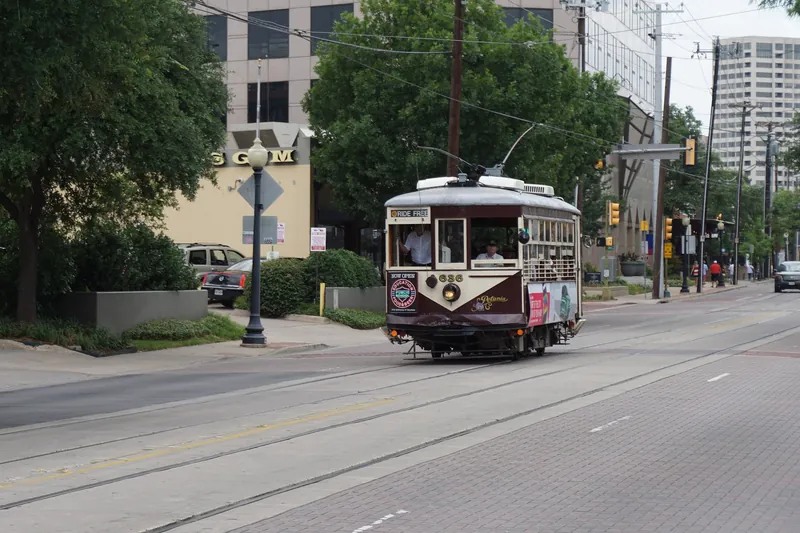
DART rail can change the math for some addresses. The Red Line runs along Central Expressway through North Dallas, Mockingbird Station sits near SMU, and the Blue Line serves Lake Highlands. The Dallas Streetcar links downtown with the Bishop Arts District in North Oak Cliff.
Walkable streets and quieter streets
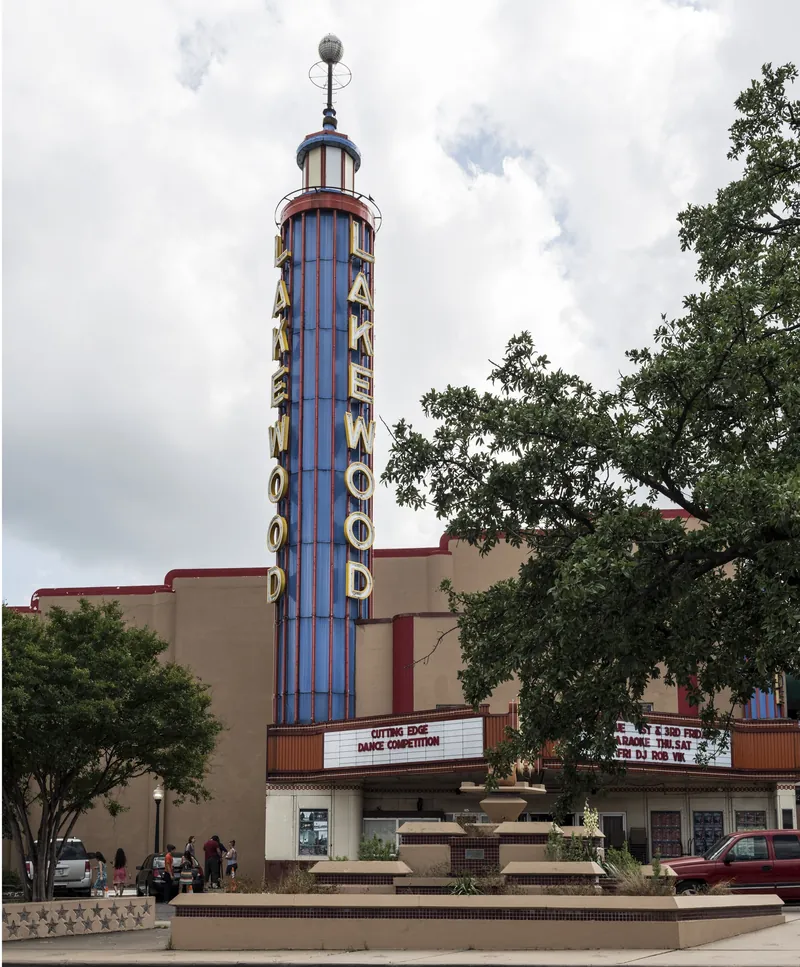
If you want restaurants within walking distance, look at Uptown along McKinney Avenue, Oak Lawn around Cedar Springs Road, the Knox-Henderson and Lower Greenville areas, the Bishop Arts District in North Oak Cliff, Snider Plaza in University Park and the shopping area at Gaston Avenue and Abrams Road in Lakewood. Walkability changes block by block, so measure the walk from the actual house.
If you want a quieter street, single-family areas such as Preston Hollow, Bluffview and Lake Highlands usually have less foot and car traffic than Uptown's mixed-use blocks. Every area also has busy edges: Preston Road, Northwest Highway and Walnut Hill Lane carry heavy traffic through Preston Hollow. Pick the street, not just the neighborhood.
The street also affects resale. A house that faces or backs onto a busy road usually draws fewer buyers than a similar house a block away, and a lot next to a creek may sit partly in a floodplain. Before an offer, I check the FEMA and City of Dallas flood maps for the lot and compare sales on similar streets, so you know what you are paying for.
How I help you choose
I grew up in Dallas in a real estate family. My dad built custom homes and ranches, and from the 1970s through the 1990s he specialized in Preston Hollow and the Park Cities, so I grew up around how these houses are built, and how they age. I have been licensed since 2005, and my own sales run from Normandy Avenue and W Lovers Lane in University Park and North Oak Cliff to East Dallas, Lake Highlands, North Dallas and Far North Dallas.
When you are deciding between areas, I pull closed sales for the streets you like, show you the housing stock side by side, check the school district and taxing units for each address, and look at flood maps before you write an offer. See the homes I have sold or tell me what you need.