

Key points
- An update adds value when it brings your home up to what nearby homes already offer.
- On close-in Dallas lots, land can drive much of the value, so lot size and width matter more than in the suburbs.
- Older homes draw two kinds of buyers, renovators and builders, and the price must make sense to one of them.
- A pool helps in some price ranges and neighborhoods and narrows the buyer pool in others.
- For a home that needs repairs, decide between fixing, offering a credit or pricing as-is before you list.
How do I price an older house in Dallas?
Price it against the buyers who will actually want it: people who will live in it and update it, and, on the right lot, builders who want the land. The comparable sales you use depend on which of those buyers is more likely to pay more.
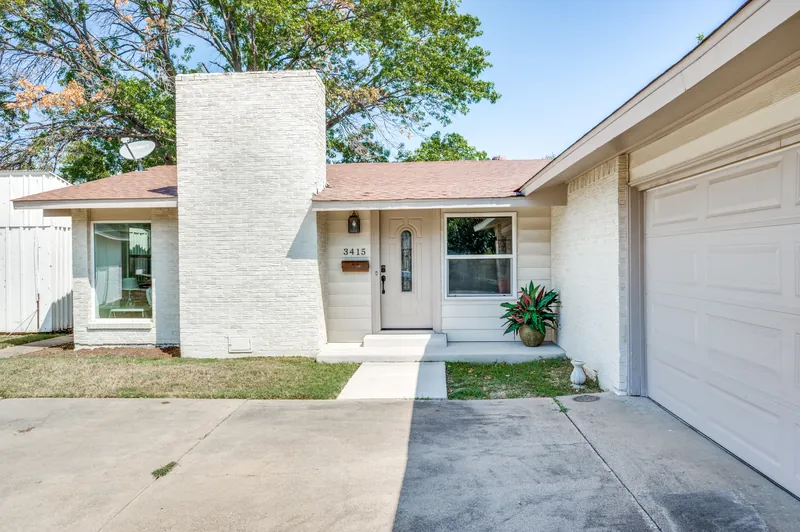
Much of close-in Dallas was built from the 1920s through the 1960s, from the Tudor and Craftsman homes of Lakewood and the M Streets to Kessler Park's hillside houses and the ranch homes of North Dallas and Preston Hollow. In these homes buyers and inspectors focus on the same items.
- Foundation: North Texas clay soil expands and shrinks with moisture, so expect questions about movement, past repairs and any transferable warranty
- Drain lines: many older homes still have cast iron drains under the slab
- Electrical: panel age, capacity and any older wiring
- Roof, HVAC and water heater ages
- Windows, insulation and how the house handles summer heat
Some older neighborhoods sit in City of Dallas conservation districts, which set rules for what a new owner can build. That changes what a builder will pay, so check the city's maps before you price for land value. See Lakewood and Kessler Park.
Does a renovated kitchen increase my home value?
Yes, when it brings your home up to the standard of nearby homes in your price range. It adds less when it goes far beyond that standard, and it can disappoint when it is done in a hurry right before listing.
Buyers compare your kitchen with the ones they saw that weekend. If the homes around yours have updated kitchens and yours is original, buyers mentally subtract the cost and the hassle of a remodel. If your kitchen is far more expensive than the neighborhood's, buyers rarely pay back the difference.
Ask for a pricing review first, so you know what buyers in your range expect.
Does having a pool add value in Dallas?
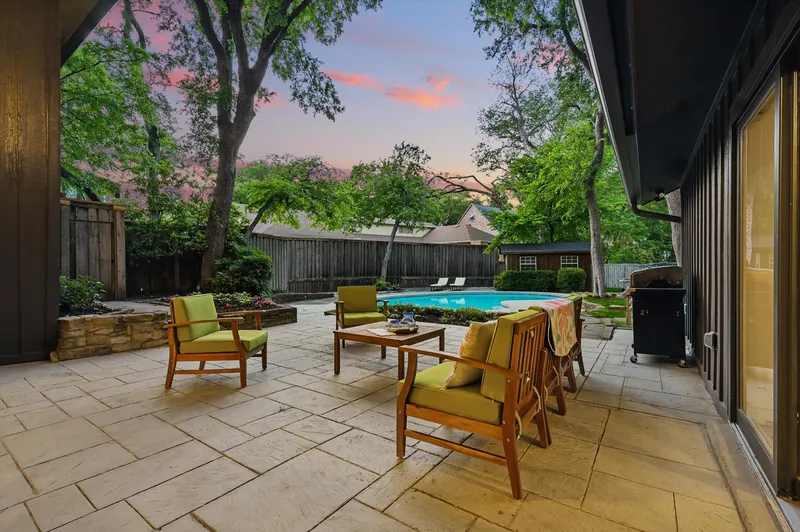
It depends on the price range, the neighborhood and the pool. In many higher-priced Dallas neighborhoods buyers expect a pool, and a home without one may sell for less or take longer. In other areas some buyers see a pool as upkeep and insurance cost and pass on the house.
- Condition matters most: a recently resurfaced pool with working equipment helps, and a cracked one becomes a negotiation
- Lot size matters: a pool that leaves no yard narrows the buyer pool
- Compare closed sales with and without pools in your own area before deciding whether to add or remove one
How much does lot size affect house value?
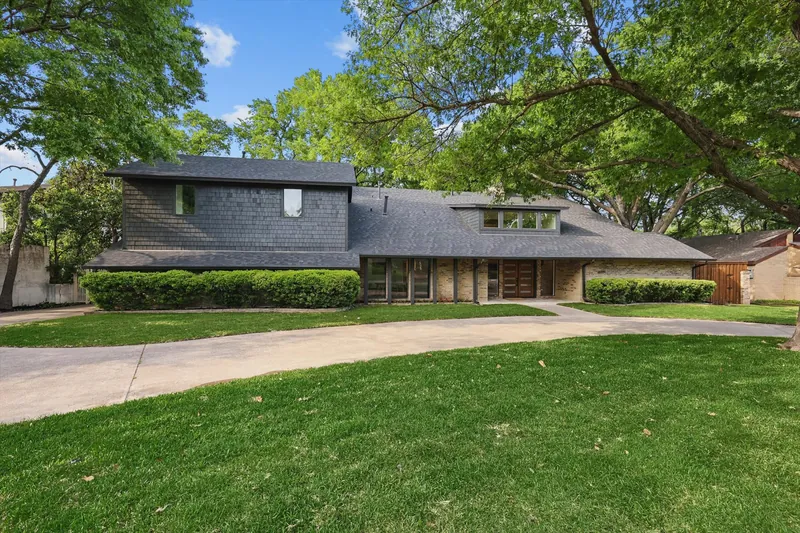
A lot, in close-in Dallas, and less in newer suburbs. In areas such as Preston Hollow, the Park Cities and parts of North Dallas, where buyers tear down and rebuild, the land can be a large share of the price, so width, depth and usable area count heavily.
- Width and frontage, which limit what can be built
- Usable area: slopes, easements and floodplain reduce it
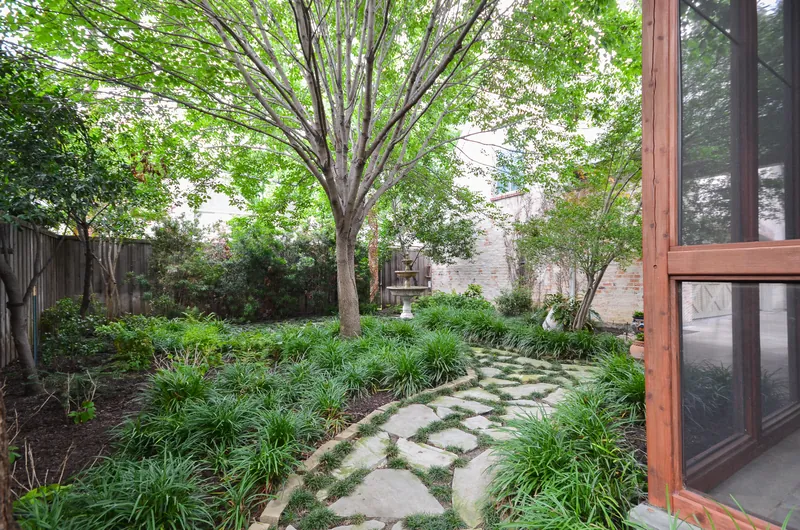
- Mature trees, which buyers value and builders must plan around
- Corner lots, alleys and the direction the house faces
- Creek frontage, which buyers like for the view and check for flood risk on FEMA maps
In master-planned suburbs where lots are similar in size, the house itself does more of the work. Compare sales with similar lots, not just similar houses.
Which features do Dallas buyers pay more for?
Buyers pay for the things that are hard or expensive to change: layout, lot, light and the condition of the big systems. Finishes matter, but they are the easiest thing for a buyer to picture replacing.
- A layout that works: bedroom count for the price range, a primary suite that fits how buyers in your area live, and a kitchen open to the living space
- Systems in good order: a sound foundation, a newer roof, and HVAC sized for Texas summers
- Garage parking and storage, which many older close-in homes lack
- Usable outdoor space: shade, a covered patio, a yard that drains well after storms
- Natural light and ceiling height, which photos and showings both reward
- Records: permits for additions and receipts for major work, which make an appraiser's and an inspector's job easier
Features that are unusual for the street, such as a very large addition on a block of modest homes, often sell for less than they cost, because the comparable sales do not support them.
How much is my house worth if it needs repairs?
Less than the same home in good repair, and often by more than the repairs would cost, because buyers price in uncertainty and their own time. How much depends on what needs work and how clearly you can show its scope.
Three ways to handle it
- Fix it before listing, with receipts and any warranties ready for buyers.
- Get a contractor's bid and offer a credit or a lower price that reflects it.
- Price as-is and say so, which suits estates, rentals and homes a builder may buy for the lot.
Most Texas home sellers must give buyers a seller's disclosure notice describing known defects, so known problems come out either way. A pre-listing inspection lets you decide on your terms instead of during the buyer's option period. Andy's pricing review covers which repairs are worth making.
Which updates should I make before I price my home?
Fix what an inspector will flag and what makes the house look neglected. Skip big projects unless your pricing review shows buyers in your range expect them. The usual list is short.
- Repairs: leaks, broken fixtures, wood rot, doors that stick, safety items
- Fresh neutral paint where it is worn
- Light fixtures and hardware that date the house
- Landscaping and the front door, the first things buyers see
- Service records for the roof, foundation, HVAC and pool
Talk to Andy before starting anything large, so the work matches what buyers in your price range pay for.
Questions people ask
Does a new roof add value?
It removes an objection more than it adds a premium. Buyers expect a sound roof, and an old one becomes a repair request or a lower offer. Keep the invoice and any warranty for buyers.
Is my older Dallas house worth more as a teardown?
Sometimes, on the right lot. Compare recent sales of land and teardowns near you with sales of updated homes, and check conservation district or town building rules. A pricing review can set the two side by side.
Should I add a pool before selling?
Rarely. The cost and the time are hard to recover in a sale, and it narrows the yard. Compare sales with and without pools in your area first.
Do foundation repairs hurt resale value?
A documented repair with a transferable warranty usually reassures buyers more than an unexplained crack does. Keep the engineer's report and the warranty, and disclose the repair.

Andy Scott is a Dallas Realtor and founding member of the GPS Group at Dave Perry-Miller Real Estate. He grew up in Dallas in a real estate family, has been licensed since 2005, and has helped buyers and sellers for more than 20 years. About Andy · What's my home worth?